Best Dog Food for a Belgian Malinois With Itchy Skin
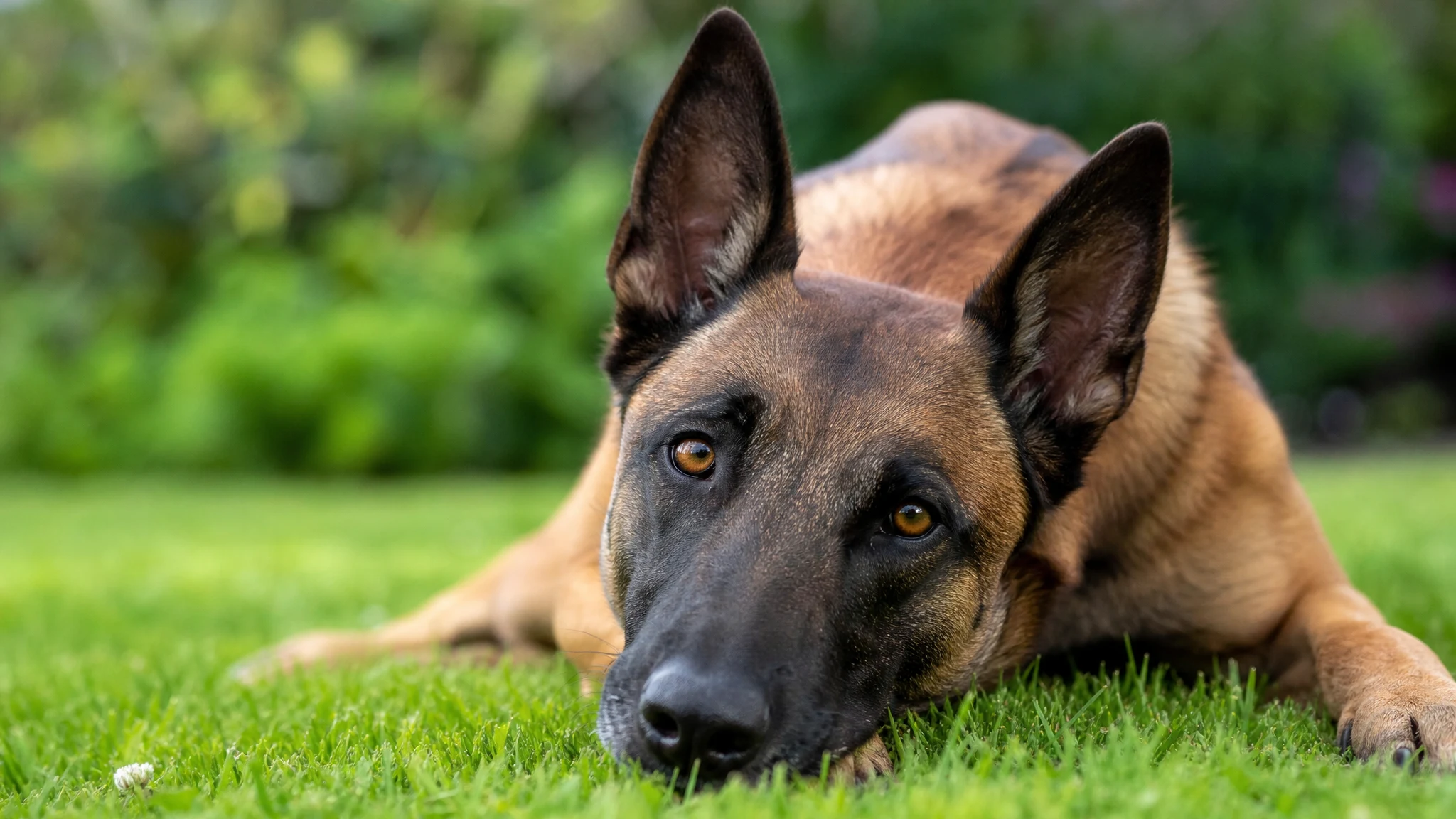
General nutrition information compiled from product labels and published sources, not veterinary advice. Your veterinarian is the right person to choose a diet for your dog, especially one with a health condition.
A Malinois that scratches, chews its paws or has red patches is hard to ignore. Food is one possible cause, but only one. Fleas, environmental allergies, infections and other problems can look the same.
This guide shows how to choose the best dog food for itchy skin in a practical way: read labels, compare them side by side, and change foods carefully with your veterinarian. No food is promised to stop itching, and a veterinarian decides what is right for an individual dog.
One note on method. We compared label data from the brands' own pages. We did not run feeding trials or taste tests.
What You Need Before You Start
- An appointment with your veterinarian to rule out fleas, infection and other causes of itching.
- Your dog's current food bag, with the full ingredient list and the nutritional adequacy statement.
- A notebook or phone notes to log itching, stool quality, treats and anything else your dog eats.
- A kitchen scale or measuring cup, so portions stay consistent.
- A list of every treat, chew, flavored medication and table scrap your dog gets.
Step 1: Start With Your Veterinarian
Hill's Pet notes that the Belgian Malinois can be at risk for allergies, with signs in the skin, the gastrointestinal tract, or both. That is a reason to watch for itching. It does not tell you the cause in your dog.
Ask your veterinarian whether the itching looks food related. If it might be, ask whether a structured diet trial makes sense. Prescription diets are something only a veterinarian prescribes, so leave those decisions to them.
Step 2: Know the Size and Life Stage You Are Feeding
Hill's lists adult Belgian Malinois at 40 to 80 pounds, with males usually heavier than females. It also advises large-breed puppy food for the breed. Many adults weigh under 70 pounds, so the label wording below matters.
Whole Dog Journal explains that growth and all-life-stages foods must say either "including growth of large size dogs (70 lb or more as an adult)" or "except for growth of large size dogs." For a growing Malinois puppy, look for the first phrase. Cornell University's Riney Canine Health Center advises feeding a large-breed diet to growing large dogs. It also advises against adding calcium or vitamin D supplements to a growing puppy.
Royal Canin and Hill's both label their large-breed puppy foods for growth up to about 15 to 18 months. Large and giant breeds generally mature between 15 months and two years.
Step 3: Read the Label in a Set Order
- Adequacy statement. It should say the food is complete and balanced for your dog's life stage, either through AAFCO nutrient profiles or AAFCO feeding tests.
- First five ingredients. Note the proteins and grains. If your veterinarian has flagged a protein, check whether it appears in the food or in the treats.
- Protein and fat. Check which basis the brand uses. Hill's lists dry matter averages, not guaranteed minimums. Other brands list guaranteed analysis as fed. Do not compare the two types of numbers directly.
- Calories per cup. This is what lets you measure portions and keep weight in check.
Step 4: Compare Foods on Label Data
The table below uses only what each brand publishes. It is a comparison of labels, not a ranking of results. None of these is made for Belgian Malinois specifically. Each is a large-breed, all-breed or all-life-stages formula.
| Food | Adequacy statement | Protein | Fat | Calories | First ingredients |
|---|---|---|---|---|---|
| Royal Canin Large Adult (dry) | Maintenance (AAFCO profiles) | 24% min | 15% min | 360 kcal per cup | Chicken by-product meal, brewers rice, wheat, brown rice, chicken fat |
| Hill's Science Diet Adult Large Breed Chicken & Barley (dry) | Maintenance (AAFCO feeding tests) | 23.8% dry matter average | 15% dry matter average | 365 kcal per cup | Chicken, cracked pearled barley, brown rice, brewers rice, whole grain wheat |
| Victor Hi-Pro Plus Large Breed Puppy (dry) | All life stages, including growth of large dogs | 30% min | 14% min | 365 kcal per cup | Chicken, chicken meal, brown rice, whole grain millet, whole grain sorghum |
| Royal Canin Large Puppy (dry) | Growth, including large dogs | 28% min | 14% min | 349 kcal per cup | Chicken by-product meal, corn, wheat, chicken fat, wheat gluten |
| Hill's Science Diet Puppy Large Breed Chicken & Brown Rice (dry) | Growth (AAFCO feeding tests) | 26.7% dry matter average | 15.4% dry matter average | 387 kcal per cup | Chicken, brown rice, whole grain oats, chicken meal, cracked pearled barley |
| Orijen Original (dry) | All life stages, including growth of large dogs | 38% min | 18% min | 473 kcal per cup | Chicken, turkey, salmon, whole herring, chicken liver |
| Freshpet Vital Chicken Recipe (fresh) | All life stages, including growth of large dogs | 9.5% min (moisture up to 76%) | 7% min | No per-cup figure; 309 kcal per 1/2 lb | Chicken, chicken liver, peas, carrots, chicken broth |
Freshpet's protein and fat look low only because the food is moist. Its numbers are not comparable to dry food. Orijen's dense calories mean a much smaller cup, so measure carefully.
What does the table tell you? Several foods lean on chicken, so a dog with a chicken problem would need another option. The first ingredients also differ in grain, by-product meal and fish content. None of that shows which food will help an itchy dog. It only shows what to ask your veterinarian about. For more brands and the full method, see our label comparison of dog foods for Belgian Malinois.
Brand pages for checking current labels: Royal Canin Large Adult, Hill's Adult Large Breed, Victor Hi-Pro Plus Large Breed Puppy and Freshpet Vital Chicken Recipe. For Orijen, check the brand's own site, because formulas change.
Step 5: Switch Foods Gradually and Measure Portions
Mix the new food into the old over several days, raising the share of the new one as your dog's stool stays normal. Sudden changes can upset the stomach and muddy your notes.
Treat the feeding chart on the bag as a starting point. Hill's says to adjust amounts to maintain optimal weight and to ask your veterinarian if you are unsure. Excess weight strains joints, and Hill's notes that hip and elbow dysplasia can be common in the breed. Cornell also advises against overfeeding growing puppies that are predisposed to hip dysplasia.
Cornell says large, deep-chested dogs are most at risk of bloat. It suggests two or more meals a day, smaller kibble and limited activity after meals. It also advises against raised bowls. Cornell's page does not name the Malinois, so ask your veterinarian how this applies to your dog.
Step 6: Keep Everything Else Steady and Keep a Log
Hill's suggests keeping treats to 10 percent of daily calories. For a food trial, go further and pause extra treats, chews and flavored items unless your veterinarian approves them. Write down itching, stool and any new exposures each day. Good notes help your veterinarian more than memory does.
Common Mistakes to Avoid
- Assuming grain-free is the answer. Grain is not proven to be the cause of itching. The FDA's investigation into a possible link between certain diets and canine dilated cardiomyopathy (DCM) was last updated December 23, 2022, and the agency does not plan further public updates without meaningful new science. Ask your veterinarian before choosing a diet on ingredient fashion.
- Changing foods every week. You cannot tell what helped or hurt.
- Forgetting treats and chews. A single flavored chew can undo a careful trial.
- Adding supplements to a puppy. Cornell advises against calcium and vitamin D supplements for growing large-breed puppies.
- Skipping the adequacy statement. A food without one may not be complete and balanced.
- Treating at home for a long time. Raw, bleeding or smelly skin needs a veterinary visit.
What Results to Expect
If food is part of the problem, some dogs may show less scratching after a careful, consistent diet change. Others may show no change, because the cause is elsewhere. Results vary, and a label cannot predict them.
Give any change the time your veterinarian recommends, and report back. If the itching continues, your veterinarian may look at fleas, environmental allergies, skin infections or other causes.
Sources
- Hill's Pet, Belgian Malinois breed page
- Cornell University Riney Canine Health Center, canine hip dysplasia
- Cornell University Riney Canine Health Center, gastric dilatation volvulus (bloat)
- Whole Dog Journal, In the Fine Print: Nutritional Adequacy Statements
- FDA Center for Veterinary Medicine, DCM investigation
- American Belgian Malinois Club, Official Standard