Best Dog Probiotics for Gut Health: A Label-Based Guide
General nutrition information compiled from product labels and published sources, not veterinary advice. Your veterinarian is the right person to choose a diet for your dog, especially one with a health condition.
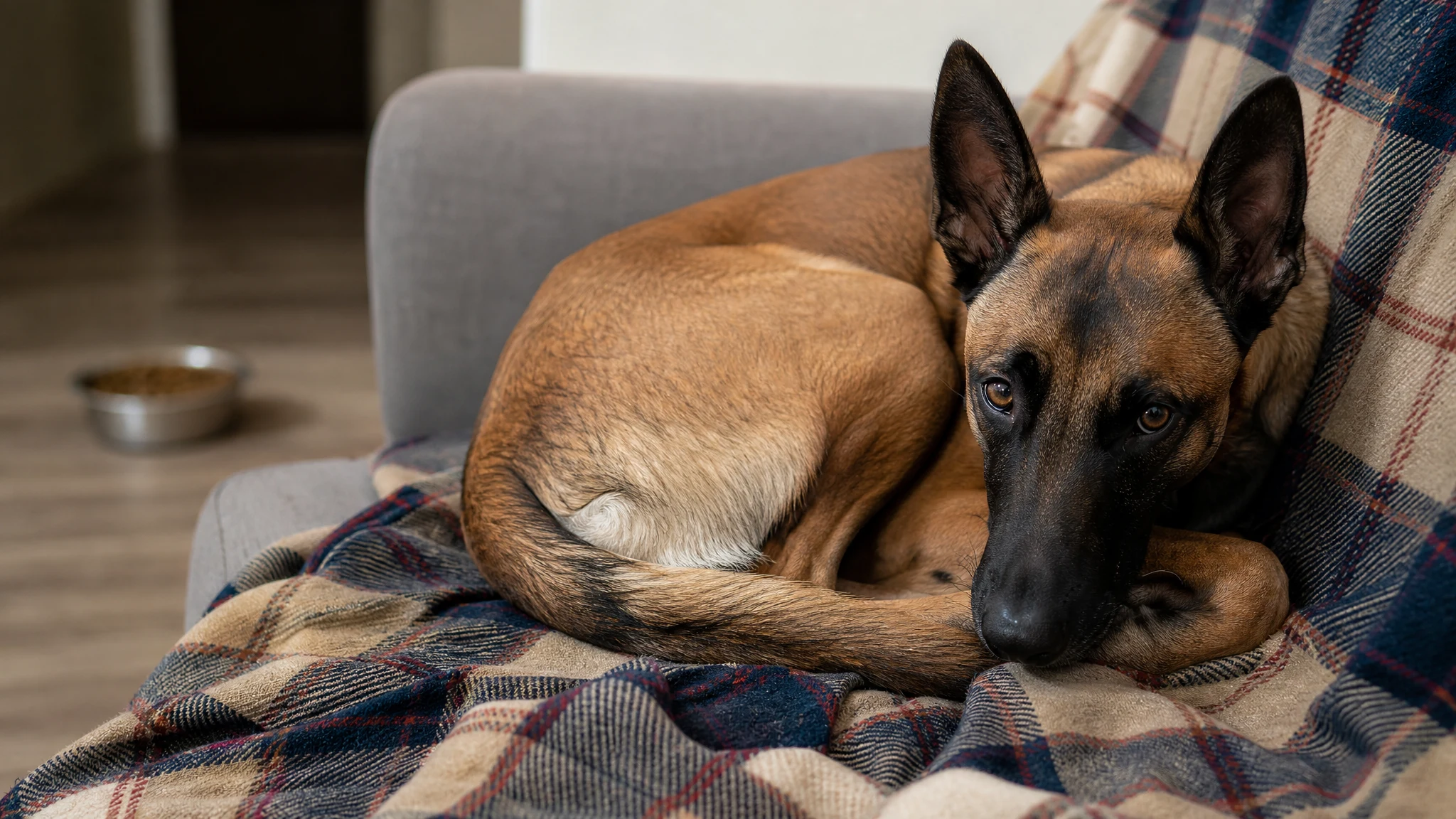
Belgian Malinois are lean, high-drive dogs, and an upset stomach can derail training and daily life fast. It is no surprise that owners look into dog probiotics for gut health when stools go soft or a new food does not agree with their dog.
This guide does not crown a single "best" product. We did not have verified label data for any probiotic product, and we have not fed or tested any. What we can offer is a repeatable way to read a label, plus a label-data comparison of foods a Malinois might eat every day.
Why gut health matters for this breed
The Hill's Pet breed page says Belgian Malinois can be at risk for allergies, with skin and/or gastrointestinal signs. It also says hip and elbow dysplasia can be common in the breed and that risk can rise with weight gain. Gut troubles and body weight are both worth watching.
Cornell University's Riney Canine Health Center says large, deep-chested dogs are most at risk of bloat (GDV). It suggests two or more meals a day, smaller kibble, limited activity after meals and no raised bowls. Cornell's page does not name the Malinois, and breed-specific risk is not confirmed there. Sudden belly swelling, retching without vomiting or restlessness is an emergency, not a supplement question.
What you need before you start
- Your dog's current food bag or can, with the full label.
- A short log of stool quality, appetite, itching and energy for one to two weeks.
- The packaging of any probiotic you are considering.
- A list of everything your dog eats, including treats and chews.
- Your veterinarian's contact details.
Step 1: Talk to your veterinarian first
Loose stool, vomiting or itchy skin can have many causes, from diet changes to parasites to food allergies. A veterinarian decides what is right for an individual dog. Prescription diets are something only a veterinarian prescribes.
Bring your log and ask whether a probiotic makes sense for your dog and how long to try it. Do not skip this step if your dog is a puppy, a senior, pregnant or on medication.
Step 2: Check the food before adding anything
Many gut upsets trace back to the bowl, not a missing supplement. Look at the label for an AAFCO statement that matches your dog's life stage. Then check the treats. Hill's advises keeping treats to 10 percent of daily calories, which also helps with the joint strain that comes with extra weight.
For growing Malinois puppies, Cornell's guidance on large breeds is to feed a diet formulated for large breeds. It also says not to add calcium or vitamin D supplements to a growing puppy. Ask your veterinarian before adding any supplement to a puppy's diet.
Step 3: Read the probiotic label line by line
Whatever product you look at, work through the same checklist:
- Species and form. Make sure it is made for dogs, and note whether it is a powder, chew, capsule or paste.
- Named strains. A label that lists organisms by genus, species and strain tells you more than one that says only "probiotic blend".
- Count and timing. See whether the label states live organisms and whether that count applies at manufacture or through the expiration date.
- Other ingredients. Look for flavorings, sweeteners or proteins your dog is sensitive to.
- Storage. Some products need refrigeration. Follow the package.
- Directions. Use the brand's own directions, and ask your veterinarian before changing them. We do not give amounts here.
- Contact details. A brand that answers questions about strains and testing is a better sign than one that does not. Ask the brand directly if the label is vague.
Be careful with wording. A label that promises to treat, prevent or cure a condition is making a drug-style claim, and that is a reason for caution.
Step 4: Compare the daily food on label data
Probiotic or not, the daily food does most of the work. The table below compares label data from the brands' own pages. We compared labels only. We did not run feeding trials or taste tests, and none of these foods is claimed to prevent or treat any condition.
None of the pages we reviewed listed a Malinois-specific formula, so these are large-breed or all-breed foods. The brand pages we used do not state probiotic content, so check each brand before assuming a food contains any.
| Food | AAFCO statement and life stage | Protein / fat | Calories | First ingredients |
|---|---|---|---|---|
| Royal Canin Large Adult | Maintenance, adult large dogs 56 to 100 lb | 24% / 15% | 360 kcal ME per cup (calculated) | Chicken by-product meal, brewers rice, wheat, brown rice, chicken fat |
| Royal Canin Large Puppy | Growth, including large size dogs (70 lb or more as an adult) | 28% / 14% | 349 kcal ME per cup (calculated) | Chicken by-product meal, corn, wheat, chicken fat, wheat gluten |
| Hill's Science Diet Adult Large Breed Chicken & Barley | Maintenance, feeding-test statement | 23.8% / 15% (dry matter averages, not guaranteed minimums) | 365 kcal per cup | Chicken, cracked pearled barley, brown rice, brewers rice, whole grain wheat |
| Hill's Science Diet Puppy Large Breed | Growth, feeding-test statement, large breed puppies up to 18 months | 26.7% / 15.4% (dry matter averages, not guaranteed minimums) | 387 kcal per cup | Chicken, brown rice, whole grain oats, chicken meal, cracked pearled barley |
| Victor Hi-Pro Plus Large Breed Puppy | All life stages, including growth of large size dogs | 30% / 14% | 365 kcal per cup | Chicken, chicken meal, brown rice, whole grain millet, whole grain sorghum |
| Freshpet Vital Chicken Recipe | All life stages, including growth of large size dogs | 9.5% / 7% (fresh, moisture max 76%) | 309 kcal per 1/2 lb; no per-cup figure published | Chicken, chicken liver, peas, carrots, chicken broth |
Protein and fat are not directly comparable across dry and fresh foods because of moisture. Hill's figures are dry matter averages, and the others are listed as minimums. For a fuller side-by-side, see our label comparison of dog foods for Belgian Malinois.
The AAFCO wording matters for puppies. The Whole Dog Journal explains that growth and all-life-stages foods must say either "including growth of large size dogs (70 lb or more as an adult)" or "except for growth of large size dogs". Many adult Malinois weigh under 70 lb, so treat that line as a guide to the food's nutrient levels, not a statement about your dog.
Step 5: Make one change at a time
Start only one new item at a time, and only after your veterinarian agrees. If you change the food, add a probiotic and swap treats in the same week, you will not know what caused any change. Keep logging stool, appetite and itching each day.
Feeding amounts on any food label are starting points. Hill's says to adjust amounts as needed to maintain optimal weight and to ask your veterinarian if you are unsure.
Tips and common mistakes
- Judging by the front of the package. Marketing words do not replace the ingredient list, strain names and AAFCO statement.
- Switching foods abruptly. Ask your veterinarian how to transition gradually.
- Treating a probiotic as a fix for a medical problem. Ongoing diarrhea, blood in stool, weight loss or lethargy needs a veterinary exam.
- Ignoring weight. Extra pounds add joint strain, and the Hill's breed page links weight gain to higher dysplasia risk.
- Assuming grain-free is better. The FDA's DCM investigation page shows its latest update is dated December 23, 2022, and the agency does not plan more public updates until there is meaningful new scientific information. Talk to your veterinarian about what that means for your dog.
- Feeding one large meal. Cornell suggests two or more meals a day for dogs at risk of bloat.
What results to expect
Some owners notice changes in stool consistency or appetite after a stable period on one food and one product, but results vary. A probiotic may support digestive comfort in some dogs, and it may make no visible difference in others. It is not a treatment for any disease, and no product can promise an outcome.
Give any change the time your veterinarian recommends, keep your log, and stop and call your veterinarian if signs worsen. Lasting gains usually come from a steady diet, a healthy weight and regular checkups. Hill's lists a typical Malinois life expectancy of 12 to 15 years, which is a long time to build good feeding habits.